
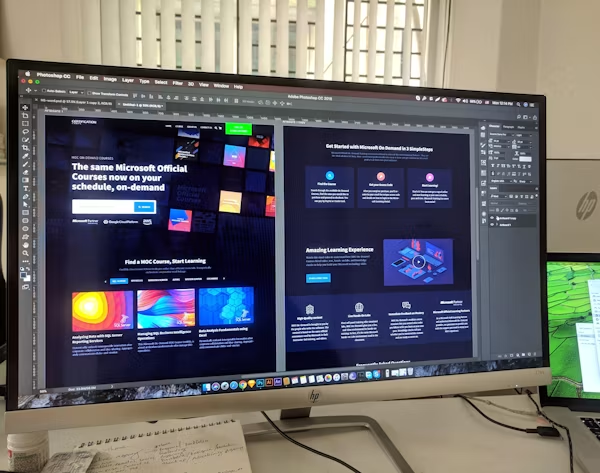
Glassmorphism has evolved from a subtle aesthetic trend into a core design approach for dark-mode web platforms. By mimicking real-world translucent materials, it creates visual hierarchy without overloading visitors with solid colors.
1. Depth Through Translucency
By pairing low-opacity background fills with CSS `backdrop-filter: blur()`, elements float naturally above vibrant background gradients. This visual separation helps guide a user's focus straight to primary actions and content blocks.
2. Balancing Visual Polish and Readability
The secret to high-performance glass UI is contrast preservation. Subtle 1px translucent borders (`rgba(255, 255, 255, 0.12)`) define clear boundaries around cards and modal dialogs, ensuring high text contrast across mobile and desktop screens.
"Effective user interface design isn't about adding flashy elements—it's about creating spatial clarity where technology feels invisible."